Activities & Leisure
The United States presents an unparalleled canvas for activities and leisure, offering a scale and diversity that can simultaneously thrill and overwhelm international visitors. From the salt-sprayed highways of the Atlantic coast to the ancient, towering canopies of the Pacific Northwest, recreational pursuits here require more than just enthusiasm; they demand strategic preparation. Unlike smaller European countries where climates and terrains remain relatively consistent, exploring the US is akin to crossing multiple distinct continents, each with its own strict rules of engagement.
For many international travelers and exchange students, the dream of the ultimate American experience can quickly be derailed by easily avoidable errors. Whether it is underestimating the brutal midday sun in the Arizona desert, misjudging the unforgiving nature of a massive Californian music festival, or failing to understand the critical importance of campus extracurriculars, localized knowledge is the key to a successful journey. This comprehensive resource explores the foundational pillars of American leisure, providing the vital insights needed to transform potentially hazardous or expensive mistakes into seamless, unforgettable adventures.
Mastering the Great American Coastal Road Trip
Embarking on a road trip along the US Atlantic Coast Highway is a quintessential American experience, but it is also a complex logistical puzzle. Many international tourists fall into expensive tourist traps or severely miscalculate driving distances, leading to exhaustion rather than relaxation.
Navigating the Atlantic Seaboard Like a Pro
One of the most common pitfalls for international drivers is failing to understand the regional infrastructure. For instance, relying on default GPS settings without filtering for local toll networks frequently results in the notorious mistake that costs British tourists hundreds of pounds in unexpected rental car administrative fees and penalty charges. To truly enjoy the Atlantic Seaboard, you must look beyond the heavily marketed metropolitan hubs.
To plan a flawless East Coast itinerary, follow these critical steps:
- Audit your route for toll networks: Purchase a regional electronic toll pass (like E-ZPass) in advance to bypass administrative fees charged by rental agencies.
- Schedule around the weather: Time your visit outside of the late summer and early autumn months to completely avoid hurricane season disruptions.
- Prioritize secondary coastal roads: Deviate from the major interstates to discover smaller Atlantic coastal towns, which offer authentic local cuisine and historical architecture at a fraction of city prices.
Maine Coast or Florida Keys: Choosing Your Route
Selecting the right stretch of the coast depends entirely on your preferred climate and activity level. The rugged Maine Coast offers dramatic cliffside hiking, historic lighthouses, and cool maritime breezes, making it ideal for active summer explorations. Conversely, the Florida Keys provide a tropical, relaxed atmosphere focused on water sports and marine life, though they demand careful navigation during peak summer months to avoid extreme humidity and severe traffic bottlenecks.
Conquering US National Parks: From Rainforests to Deserts
The US National Park system encompasses some of the most spectacular, yet potentially dangerous, environments on the planet. Treating a hike in these wilderness areas like a casual stroll in a local park is a critical error. Wilderness hiking safety requires highly specific gear and acute environmental awareness.
Essential Waterproof Gear for Pacific Northwest Rainforests
Exploring the dense canopies of places like Olympic National Park or Mount Hood during the damp autumn season presents unique challenges. The persistent moisture and treacherous afternoon fog can disorient even experienced trekkers. Furthermore, standard hiking apps often fail completely under heavy US rainforest canopies due to the lack of satellite penetration.
When selecting protective gear for strenuous climbs in these wet conditions, consider the following checklist:
- Breathable waterproof shells: Gore-Tex jackets are vastly superior to traditional ponchos, as proper layering prevents dangerous internal sweating during high-exertion ascents.
- High-quality hiking footwear: Avoid cheap footwear errors that cause severe blisters on wet American trails; invest in sturdy boots and ensure you re-waterproof them effectively before your departure.
- Analog navigation tools: Always carry a physical topographic map and a compass, as relying solely on digital devices endangers your safety when batteries drain or signals drop.
- Wildlife deterrents: Carry bear spray and bells to safely avoid dangerous wildlife encounters in dense Oregon woods.
Surviving the Arid Heat of the American Southwest
Transitioning from the damp Northwest to the arid Arizona deserts requires a complete shift in survival strategy. The most common cause of desert rescues is a fundamental misunderstanding of water rationing and the speed at which severe dehydration sets in.
To safely navigate desert environments, you must rigorously manage your hydration and exposure. Using hydration bladders allows for continuous sipping, which is crucial in dry heat, while insulated bottles are necessary to keep reserve water from reaching boiling temperatures. Never rely solely on vehicle air conditioning, as a simple mechanical breakdown leaves desert road trippers incredibly vulnerable. Always schedule your desert exploration for early morning or late afternoon to completely avoid the deadly midday sun, and closely monitor your travel companions for the subtle early warning signs of heatstroke, such as flushed skin without sweat, confusion, and sudden headaches.
Thriving in the US College Extracurricular Ecosystem
For international and exchange students, the concept of US college extracurriculars is often baffling. In many countries, university is strictly academic, but in the United States, campus activities are deeply integrated into both the educational experience and future career prospects. Missing out on these opportunities actively damages your future global network.
Balancing Academics with High-Impact Campus Activities
The pressure to participate can be overwhelming, leading to the over-committing mistake that ruins first-year student grades. The goal is strategic engagement rather than exhausting participation. Joining exclusive US college societies or applying for campus leadership roles can radically boost your CV, but it requires a careful balance.
When deciding where to invest your time, weigh the benefits of different organizations:
- Academic and Professional Clubs: These build highly targeted US resumes, connecting you directly with alumni networks and industry recruiters in your specific field of study.
- Intramural Sports Teams: These offer excellent stress relief, foster deep cultural immersion, and build soft skills like teamwork and cross-cultural communication without the demanding schedule of varsity athletics.
- Cultural Societies: Perfect for British and international exchange students to find a supportive community while introducing their own culture to American peers.
Surviving and Enjoying Massive American Music Festivals
Attending a large-scale US music festival is an exhilarating experience, but the sheer size, strict regulations, and extreme weather conditions can quickly turn a dream weekend into a logistical nightmare. American festival security and crowd dynamics operate on a completely different scale than smaller European events.
Beating the Brutal Heat and Festival Crowds
Many international visitors assume they can apply the same tactics used at muddy European festivals, but British festival camping tactics fail completely in the Californian desert. The combination of abrasive dust, massive temperature drops at night, and extreme daytime UV radiation requires specialized desert camping setups, including reflective shade structures and heavy-duty dust masks.
To survive massive US music festivals without suffering severe heat exhaustion, you must master the hydration rules. A common mistake is bringing full water containers, which will inevitably get your water confiscated at American security checkpoints. Always bring an empty, compliant hydration pack to fill at free water stations inside the venue. Furthermore, when debating between VIP passes or General Admission, consider that VIP tickets often provide essential shaded viewing areas and air-conditioned rest zones, which genuinely help you survive the brutal US crowds during peak heat hours.
Navigating Strict Security and Accommodation Surges
American security protocols are exceptionally strict. If you need to bring medications, ensure you know exactly how to transport legal essential medications past security by keeping them in original prescription bottles accompanied by a doctor’s note, clearly presented to medical staff at the entrance.
Finally, the financial logistics of festival attendance require foresight. To avoid the staggering 300% price surge in local lodging, you must book your festival accommodation the moment the festival dates are announced, often months before the actual musical lineup is even revealed.
Engaging in activities and leisure across the United States is a highly rewarding endeavor that offers unparalleled diversity. By understanding the specific regional demands—whether navigating local toll roads, selecting the right waterproof gear for ancient rainforests, strategically engaging in campus life, or preparing for the intensity of a desert music festival—you can confidently transform potential travel anxieties into masterful, lifelong memories.
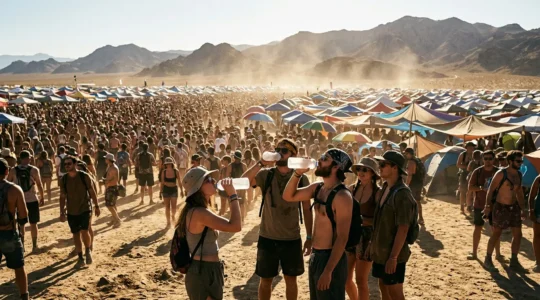
How to Survive Massive US Music Festivals Without Suffering Severe Heat Exhaustion?
Your British festival experience is a liability in the American desert; survival hinges on unlearning habits built for mud and rain. Brutal desert heat makes traditional camping dangerous and requires a complete rethink of hydration and clothing strategies. Strict US…
Lire la suite
How to Balance US University Academics with Extensive Campus Activities?
The secret to surviving the US college experience isn’t better time management; it’s treating your activities like a strategic investment portfolio. Most UK students fail by trying to do everything, diluting their impact and tanking their grades. The US system…
Lire la suite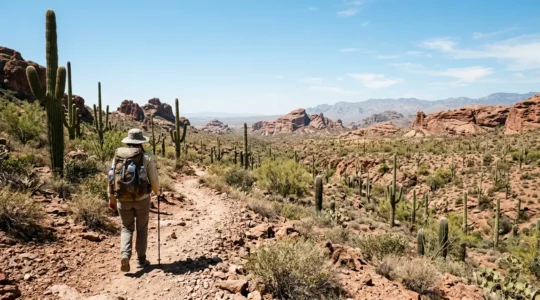
Surviving Arizona: A Brutally Honest Desert Survival Guide for UK Visitors
In summary: Your UK-based instincts about weather are dangerously wrong for the Arizona desert; they must be unlearned. Never ration water. You need a minimum of one gallon (3.8 litres) per person, per day, just to exist. Drink before you…
Lire la suite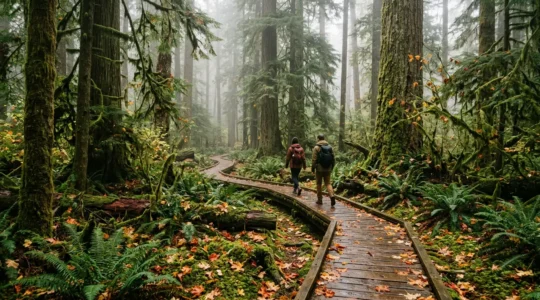
How to Explore the Pacific Northwest Rainforests Safely During the Damp Autumn Season?
Your experience hiking in the UK is valuable, but it won’t fully prepare you for the unique, ‘saturated environment’ of the Pacific Northwest’s rainforests, where standard gear and techniques often fail. Navigation is compromised: Heavy canopy blocks GPS, and local…
Lire la suite
Which Waterproof Gear Should You Pack for Demanding US National Park Hikes?
The greatest myth of wet-weather hiking is that you can stay perfectly dry; the reality is that all gear eventually fails under sustained assault. Success isn’t about a single « waterproof » jacket, but a complete moisture management system that handles rain…
Lire la suite
How to Plan an East Coast US Road Trip Without Falling for Expensive Tourist Traps?
The biggest mistake British travellers make on a US East Coast trip is applying a European mindset to an American scale, leading to budget blowouts and frustratingly rushed schedules. Failing to account for hidden costs like mandatory tipping and car…
Lire la suite