Food & Gastronomy
Travelling transcends mere sightseeing; it transforms into an active participation in culture the moment you sit at a local table. Food and gastronomy represent the beating heart of any destination, offering the most direct and flavourful route to understanding its history and its people. However, diving into an unfamiliar culinary landscape requires more than just a hearty appetite; it demands an appreciation of regional nuances and unwritten rules.
This comprehensive overview will equip you with the knowledge to navigate diverse and complex dining scenes with absolute confidence. From deciphering the intricacies of tipping cultures and conquering bustling deli queues, to identifying genuine coastal catches and managing dietary needs, we will transform you from a hesitant tourist into a savvy culinary explorer.
Mastering Local Dining Culture and Etiquette
Understanding the local dining etiquette is essential for a seamless experience. Navigating a foreign restaurant scene is much like learning a new dialect; the food is the vocabulary, but the etiquette is the grammar that holds it all together.
The Unspoken Rules of Tipping and Service
Grasping the financial mechanics of dining out is crucial. The tipping etiquette error that offends American servers is almost always born from a misunderstanding of the local wage structure. In many regions, waitstaff rely heavily on the federal tipped minimum wage, making a standard 20% gratuity not just a compliment, but a customary necessity. Furthermore, international visitors frequently experience immediate digestive shock due to immense American portion sizes, which are designed with taking leftovers home in mind.
- Split main courses: A highly acceptable strategy to manage vast portions and protect your budget.
- Order multiple appetisers: Create a tasting menu experience instead of committing to traditional, heavy mains.
- Embrace the takeaway box: Asking to box up leftovers is a standard, deeply ingrained local practice.
Bypassing Tourist Traps and Misleading Reviews
Travellers often wonder why following online reviews for heritage restaurants frequently leads to profound disappointment. The reality is that digital algorithms tend to favour viral, visually appealing trends over time-tested, multi-generational quality. To experience authentic culinary heritage without spending £100 per meal, one must deliberately look beyond the main tourist thoroughfares.
Seek out genuine Southern comfort food hidden in deep South neighbourhoods by engaging with local residents rather than relying solely on apps. Finding a truly great, authentic restaurant is like foraging; the most rewarding discoveries are rarely found on the heavily marked, brightly lit trails.
Navigating Dietary Restrictions on the Road
Travelling with specific dietary needs can initially feel overwhelming, especially in regions renowned for indulgent, rich cooking. However, navigating heavy culinary specialties with strict dietary restrictions is entirely possible with clear communication and a bit of foresight.
Managing Allergies in Traditional Eateries
Knowing how to request allergen menus in traditional diners without offending staff involves a delicate balance of politeness and clarity regarding the severity of your needs. Always articulate whether your request is a lifestyle preference or a severe medical requirement.
For highly sensitive cases, it is vital to know when to book high-end specialist allergy restaurants in major cities. These premium establishments implement rigorous cross-contamination protocols and train their staff extensively, providing a safe haven for anxious diners.
Vegan and Gluten-Free Survival Tactics
The landscape of plant-based and gluten-free dining requires vigilance. A classic pitfall is the hidden dairy ingredient that ruins Southern comfort food for vegans, such as butter slipped into cooked vegetables or buttermilk used in traditional batters. Always politely inquire about the specific cooking fats utilised in the kitchen.
- Gluten-free bread: Offers a traditional, comforting feel for burgers and sandwiches, though textures can occasionally be crumbly.
- Lettuce wraps: Provides a refreshing, low-carb crunch that brilliantly highlights the quality and flavour of the core ingredients.
- Naked plating: Ordering your meal served directly on a plate with robust side salads, eliminating imitation textures entirely.
The Art of Authentic Texas Barbecue
In certain regions, barbecue is less a meal and more a deeply revered culinary religion. Mastering this domain requires understanding the intense dedication behind the smoke and the specific rituals of ordering.
Timing Your Visit to Legendary Smokehouses
A common, heartbreaking beginner mistake is arriving too late in the day. Knowing when to arrive at legendary Austin smokehouses is absolutely crucial, as famous brisket joints sell out before midday every single weekend. The meat undergoes a painstaking low-and-slow smoking process that can last up to sixteen hours. Consequently, once the day’s meticulously crafted yield is gone, the doors simply close.
Conquering the Meat Counter
The chaotic meat counter ordering system can easily intimidate newcomers. You must know how to order authentic Texas barbecue like a true local without delaying the queue. Understanding regional styles is key: you will often need to choose between wet pork ribs, beautifully slathered in a rich sauce, or a traditional dry beef rub that relies solely on hardwood smoke and a peppery crust.
Furthermore, it is important to avoid the trimming mistake that leaves you paying £40 for pure beef fat. You want succulent, rendered marbling, not unrendered, heavy fat caps.
- Study the menu boards thoroughly while waiting in the queue to make firm decisions.
- Order your smoked meats by weight, typically communicating in half-pound increments.
- Specify your preferred cut style, such as requesting specifically lean or moist brisket.
- Select your traditional hot and cold sides, and never forget to request extra pickles and onions.
Decoding New York’s Iconic Street Food
The fast-paced culinary scene of a major metropolis operates on speed, precision, and deeply ingrained local traditions. To eat like a local, you must adopt their rhythm.
The Science and Etiquette of the Perfect Bagel
The authentic New York bagel is globally imitated but scientifically impossible to duplicate perfectly elsewhere. The secret lies in the subterranean chemistry; genuine New York tap water boasts a highly specific mineral composition that directly affects the dough’s elasticity, resulting in a chewy interior and a perfectly crisp crust.
Finding authentic hand-rolled New York bagels means actively avoiding neon-lit, mass-producing tourist traps. Once inside a genuine bakery, beware of the toasting error that instantly identifies you as a clueless tourist: one must never ask to toast a fresh, still-warm bagel. When deciding on spreads, you can choose between classic lox, offering a buttery, salty bite, or a robust whitefish salad.
Slices and Pies: The Great Pizza Debate
Pizza transcends mere sustenance to become a marker of regional identity. The eternal debate over whether you must try a deep dish or New York slice first defines two entirely distinct culinary philosophies. The former is a hearty, structurally complex pie requiring a knife and fork, while the latter is a wide, foldable triangle explicitly designed to be eaten on the move.
When ordering a quick slice, knowing how to shout your order correctly in a crowded Brooklyn deli queue requires projecting your voice, maintaining eye contact, and knowing exactly what you want before you reach the till.
Savouring Fresh New England Seafood on a Budget
Coastal dining evokes idyllic images of pristine ocean bounty. However, securing the freshest catch without overspending requires an understanding of how local seafood economies operate.
Outsmarting Menu Scams and Market Prices
Knowing how to enjoy fresh New England seafood without ruining your holiday budget is a highly valuable skill. Diners are often shocked to discover why market price fluctuations can double a restaurant bill overnight; these prices are intrinsically tied to unpredictable weather conditions and daily hauling yields.
Tourists must also be vigilant against the « freshcatch » menu scam that feeds unsuspecting visitors frozen imported prawns under the guise of local daily specials. Always politely ask your server to confirm exactly where the seafood was harvested.
Finding the Best Value Coastal Catch
To experience the most genuine maritime flavours, you must often bypass the formal, white-tablecloth establishments. Knowing when to visit coastal shacks allows you to secure the absolute best off-season lobster prices while enjoying an unpretentious atmosphere.
Deciding between a decadent, butter-soaked lobster roll or a hearty, warming clam chowder often comes down to your budget and the coastal weather. For the ultimate authentic experience, learn how to buy live seafood directly from Maine fishermen off the docks.
- Arrive at the local harbour during the early morning hours when the fishing boats return.
- Bring a sturdy, insulated cooler heavily packed with fresh ice.
- Negotiate politely and respectfully with the fishermen, acknowledging their hard-earned daily asking price.
- Transport your live catch immediately back to your accommodation to ensure absolute freshness upon cooking.
Gastronomic travel is a profoundly enriching pursuit that connects us intimately to a destination’s history, geography, and community. By mastering these essential guidelines—from properly ordering a morning bagel to selecting the freshest dockside seafood—you protect your budget while significantly elevating your palate. Embrace the unfamiliar, ask genuine questions, and remember that every meal is an opportunity to experience true culinary heritage.

How to Enjoy Fresh New England Seafood Without Ruining Your Holiday Budget?
The secret to affordable New England seafood isn’t finding cheaper restaurants; it’s learning to bypass the tourist supply chain entirely. Market fluctuations and multiple middlemen can double or triple the price of lobster between the boat and your plate. Authentic,…
Lire la suite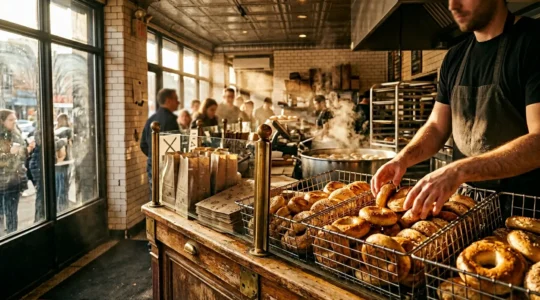
Forget the Tourist Traps: This Is How You Find a Real New York Bagel
Contrary to popular belief, the secret to a real New York bagel isn’t a famous name, but mastering a local ritual. The unique mineral content of NYC tap water is scientifically key to the bagel’s texture, making true authenticity location-dependent….
Lire la suite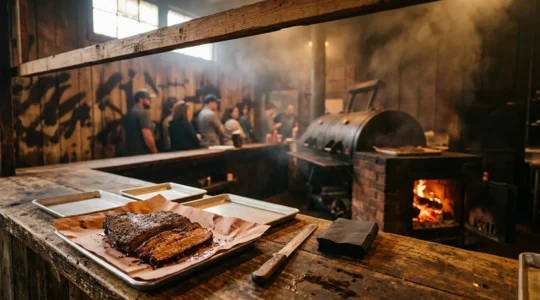
How to Order Authentic Texas Barbecue Like a True Local Without Panicking?
Feeling intimidated by the fast-moving queues and unwritten rules at Texas’s legendary BBQ joints? The secret isn’t learning a complex menu, but understanding the simple cultural ritual. This guide translates the chaos for you, focusing on the ‘why’ behind the…
Lire la suite
A UK Foodie’s Guide: How to Eat Safely in the US with Allergies
Dining in the US with severe dietary restrictions isn’t about avoidance; it’s about mastering the local ‘food code’ to unlock authentic and safe culinary adventures. Understand portion psychology to prevent overwhelm and manage your meals strategically. Use ‘culinary diplomacy’ to…
Lire la suite
How to Experience Authentic US Culinary Heritage Without Spending £100 per Meal?
The secret to finding authentic American food isn’t in 5-star reviews; it’s in understanding the cultural codes that locals use. Authenticity is often signalled by what seems inconvenient: early sell-out times, basic decor, and even mediocre online reviews from locals….
Lire la suite