Culture & Heritage
Exploring the United States offers an unparalleled opportunity to dive into a vast and diverse tapestry of traditions, historical narratives, and societal norms. Many international visitors mistakenly view the country as a single, homogenous entity, heavily influenced by global media and cinema. In reality, travelling across America often feels like traversing multiple distinct nations, each boasting its own unique identity.
Understanding US culture and heritage requires moving beyond surface-level stereotypes. Whether you are navigating complex social interactions in a bustling metropolis, embarking on a poignant journey through the historical Deep South, or joining a vibrant local festival, preparation is your greatest asset. This comprehensive overview will equip you with the essential knowledge to adapt seamlessly, respect local customs, and experience the authentic heart of American heritage.
Mastering American Social Etiquette and Communication
Building rapport with locals is the cornerstone of any memorable journey. However, the communication styles that work perfectly at home can sometimes lead to awkward misunderstandings across the Atlantic. Adapting to the American social landscape ensures smoother and more enriching interactions.
Bridging the Cultural Communication Divide
American social interaction is generally characterised by a high degree of warmth, directness, and enthusiasm. For instance, the legendary British sarcasm and self-deprecating humour often fail completely during US social interactions, occasionally being interpreted as genuine negativity or rudeness. Small talk is an essential social lubricant; mastering friendly exchanges with strangers in queues or at shop tills is practically mandatory to avoid appearing aloof.
Physical greetings also vary significantly by region. While a firm handshake remains the standard in professional settings, casual encounters in southern or midwestern states might frequently involve a friendly hug. Observing the local context before offering your hand or leaning in for an embrace prevents embarrassing social faux pas.
Decoding the Complex Tipping Culture
Perhaps the most anxiety-inducing aspect of American culture for international visitors is the mandatory nature of gratuities. Unlike in many European countries where service is included, workers in the US hospitality sector rely heavily on tips to reach a living wage. To navigate this system without feeling constantly cheated, keep these standard practices in mind:
- Restaurants and Bars: The current standard ranges from 18% to 22% of the pre-tax bill for acceptable to excellent service.
- Bartenders: A customary tip of one to two dollars per drink is expected, even for a simple poured beer.
- Tour Guides and Drivers: Allocate 15% to 20% for taxi drivers, and tip human docents generously if the heritage tour was exceptional.
Navigating Vast US Geography and Regional Laws
One of the most common critical errors tourists make is underestimating the sheer scale of the North American continent. Treating US states like compactly connected European countries inevitably causes massive scheduling disasters and exhausting holidays.
Planning Realistic Travel Itineraries
Developing essential geographic awareness is vital before plotting a road trip. Driving from New York to Florida is not a quick afternoon jaunt; it is a multi-day expedition. When crossing the vast American landscapes, especially remote areas, relying solely on mobile data is risky. Carrying physical maps alongside your GPS navigation prevents getting lost in zones with zero signal.
To avoid severe driving fatigue, especially in desert or mountainous terrains, structure your travel planning logically:
- Calculate realistic daily driving distances, factoring in frequent rest stops.
- Account for sudden time zone miscalculations, which frequently cause tourists to miss expensive internal flights or scheduled museum entries.
- Factor in extreme weather conditions, adjusting your driving hours to avoid the peak heat of the day in arid regions.
Understanding State vs. Federal Regulations
The US operates under a dual legal system, meaning that crossing state borders often means entering an entirely new legal jurisdiction. Ignoring these regional variances can result in unexpected legal trouble. For instance, dry counties completely prohibit the sale of alcohol, and beach drinking errors on holidays like the Fourth of July frequently lead to immediate and hefty fines.
Furthermore, sales tax is almost never included in the displayed price of goods on the shelves. Assuming a uniform tax rate across the country will quickly destroy your shopping budget, as local municipalities often add their own percentages on top of state taxes. Always research specific state traffic regulations and local laws before hiring a rental car.
Experiencing Authentic American Celebrations
Participating in local festivities is a brilliant way to immerse yourself in community life. However, intense cultural celebrations require a strategic approach to navigate safely and respectfully.
Surviving and Thriving at Mardi Gras
New Orleans’ Mardi Gras is a bucket-list experience, but it can quickly turn into an exhausting and expensive ordeal without proper planning. Booking French Quarter hotels might seem ideal, but the constant noise often ruins any ability to actually sleep. Similarly, the infamous Bourbon Street trap frequently costs intoxicated tourists hundreds of dollars on overpriced drinks and souvenirs.
For a more authentic and family-friendly local experience, consider exploring Uptown parade routes rather than the chaotic downtown zones. Securing safe viewing spots early allows you to catch the best throws from floats without fighting aggressive crowds, ensuring the atmosphere remains joyful rather than hostile.
Celebrating Independence Day Like a Local
For British tourists, celebrating Independence Day can initially feel slightly awkward, but locals enthusiastically welcome international participation. While major city firework displays are spectacular, they often devolve into logistical nightmares regarding transport and crowding.
Instead, small-town parades or securing an invitation to an authentic suburban American barbecue often yield far better July 4th memories. If planning a public park picnic, claim your spot early in the morning before the local crowds arrive, and always verify local ordinances regarding open flames and alcohol consumption.
Exploring America’s Complex Historical Heritage
The United States boasts an incredible array of historical monuments, battlefields, and museums. However, exploring these sites effectively requires balancing your physical energy with emotional stamina.
Strategies for Monumental Museums and Sites
Trying to see the entire Smithsonian in a single day always fails miserably, leading to extreme museum fatigue. Treat massive heritage sites as a marathon rather than a sprint. To bring American history to life, consider bypassing generic audio guides and instead engaging with passionate human docents who can provide interactive and nuanced narratives.
To maximise your budget and avoid the massive swarms of school children, research free entry days and aim to visit popular monuments early in the morning or late in the afternoon.
Confronting Colonial Realities and the Civil War
Discovering the authentic reality of US colonial heritage means confronting its darker chapters. Many older plantation tours historically ignored the brutal reality of slavery, offering a sanitised narrative. When researching historical estates, actively seek out living history villages or academic museums that present a truer, comprehensive picture of colonial life and enslaved communities.
For military history enthusiasts, a Civil War battlefield road trip is fascinating. However, visiting unmarked battlefields without a plan feels incredibly disappointing. Hire specialised military historians for private car tours, and follow the historical campaign timeline rather than the fastest GPS route to truly comprehend the strategic significance of sites like Gettysburg or Antietam.
Travelling the Civil Rights Trail
Undertaking a Civil Rights educational journey through the Deep South demands a completely different mindset to standard tourism. Cities like Montgomery and Atlanta offer some of the most comprehensive and deeply moving civil rights museums in the world.
This journey requires profound respect; taking casual selfies at sacred historical memorials is highly inappropriate and deeply disrespectful. Because the subject matter is profoundly heavy, it is essential to incorporate emotional recovery days into your itinerary. Use these days to reflect, explore vibrant modern neighbourhoods, and actively support local Black-owned businesses, connecting the historical struggle to present-day community resilience.
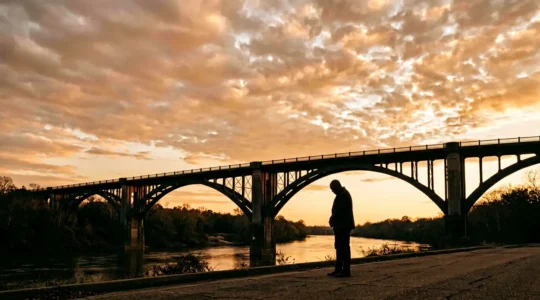
How to Plan a Respectful Civil Rights Educational Journey Through the Deep South
The greatest mistake travellers make on the U.S. Civil Rights Trail is treating it like a holiday; it is a pilgrimage that demands you act as a historical witness, not a tourist. Your role is to observe, reflect, and learn,…
Lire la suite
How to Plan a Fascinating Civil War Battlefield Road Trip for Beginners
The biggest mistake beginners make on a Civil War road trip is visiting battlefields as if they were landmarks on a map. This often leads to disappointment, staring at empty fields. The secret to a fascinating trip is to stop…
Lire la suite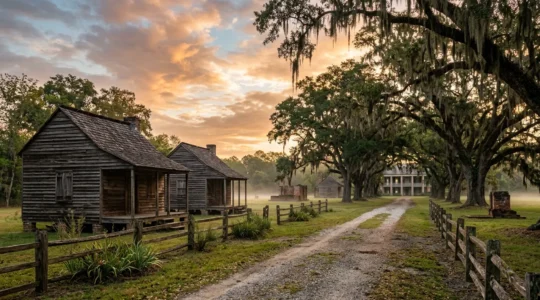
Beyond the Mint Juleps: A Guide to the Unvarnished Reality of US Colonial Heritage
Most historical tourism in the US South presents a romanticised fiction; to find the truth, you must become a historical detective, not a passive tourist. Sanitised narratives are driven by economic models that prioritise weddings and events over historical accuracy….
Lire la suite
How to Explore Massive US Historical Sites Without Suffering Extreme Museum Fatigue?
In summary: Stop trying to see everything; instead, curate a personal « thematic journey » across a few key exhibits. Use official guided tours for reconnaissance, not as the main event, to identify areas for personal deep dives. Incorporate strategic « active recovery »…
Lire la suite
How Should British Tourists Celebrate Independence Day Without Feeling Awkward?
The historical awkwardness of celebrating July 4th as a British tourist isn’t the real problem; it’s the lack of a playbook for the holiday’s complex social logistics. The key to genuinely enjoying America’s biggest party isn’t to ignore your background…
Lire la suite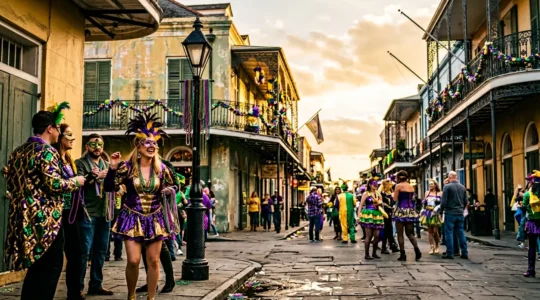
How to Plan a New Orleans Mardi Gras Trip Without Going Completely Bankrupt?
Experiencing an authentic Mardi Gras without getting ripped off is entirely possible, but it requires ditching the tourist mindset and adopting a local’s strategy. Swap the overpriced chaos of the French Quarter for the authentic, family-friendly parade routes in Uptown…
Lire la suite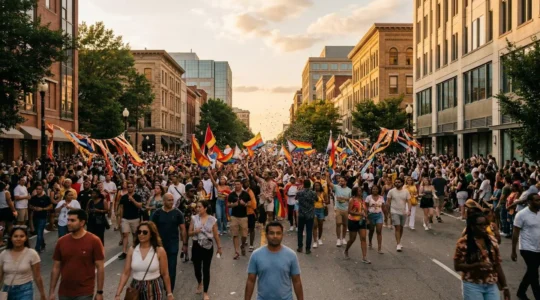
How to Navigate Intense US Cultural Celebrations Safely and Respectfully?
The real danger for tourists at intense US festivals isn’t just crime; it’s misreading the cultural and environmental signals that turn celebration into chaos. Distinguish between sacred events (like Powwows), which have strict unwritten rules, and secular parties (like Mardi…
Lire la suite
The Invisible Borders: Why UK Tourists Face Unexpected Legal Trouble in the US
The United States is not one country; it’s 50 legally distinct territories, and crossing a state line can instantly change your rights and obligations. Your UK rental car agreement might be voided simply by driving into a neighbouring state. An…
Lire la suite
Your US Road Trip Is a Math Problem, Not a Wish List: A Guide for UK Tourists
The biggest mistake British tourists make planning a US road trip isn’t what they pack, but their fundamental, and costly, misunderstanding of American scale. A « 6-hour drive » on Google Maps is a full day’s travel once you factor in fuel,…
Lire la suite
How to Master US Customs and Avoid Cringe-Worthy Faux Pas: A Brit’s Guide
The biggest mistake Brits make in the US is assuming a shared language means a shared culture; it absolutely doesn’t, and it’s the fast track to a holiday filled with awkward silences. Your dry sarcasm will likely be taken as…
Lire la suite